

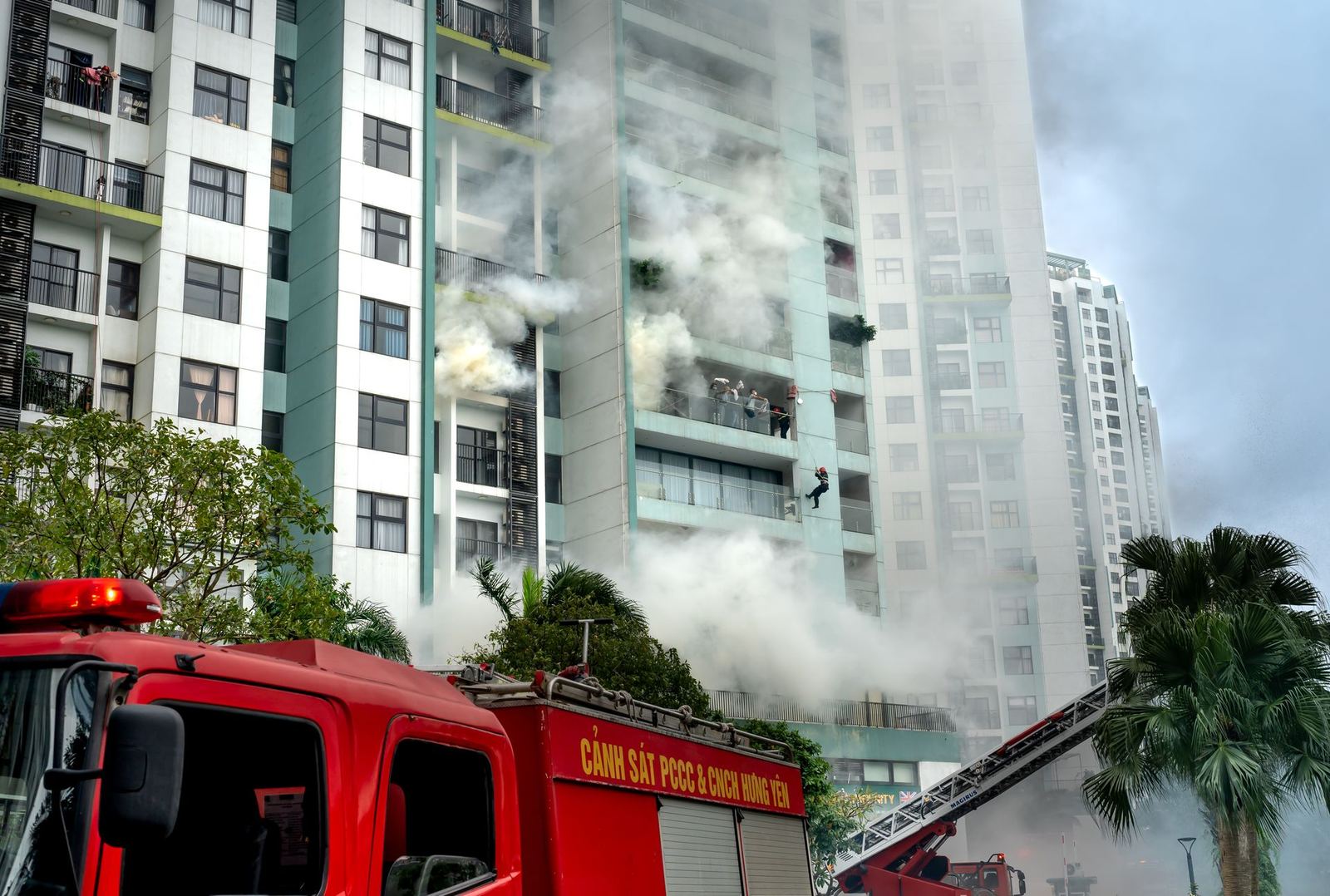
In a fire, procedure works, not panic. The steps for preparing an evacuation plan and holding the annual drill.
How people behave in a fire depends largely on what they have learned beforehand. An untrained team panics, heads for the wrong door or tries to take the lift. An evacuation plan and regular drills turn that behaviour into habit. The eight steps below can be adapted to almost any facility, from offices and factories to schools and hotels.
1. Risk and building analysis
Map the floors, exit doors, stairs and risky points (kitchen, storage, panel room). How many people are where, and at what hours? Where are those who need assistance, such as disabled people, the elderly and children?
2. Escape routes
For each area define the shortest escape route with at least two directions. The dimensions of routes, door swing (in the direction of escape) and lock status must be checked, and exit doors must always be kept open.
3. Assembly point
Choose a safe assembly point at least 20-30 metres from the building and not obstructing fire engines. It must be clearly marked on the evacuation plan and on the ground.
4. Responsible teams
- Firefighting team: first response
- Rescue team: helping injured and disabled people
- Protection and communication team: calling 112/110, access control
- Roll-call and assembly leaders: head counts after evacuation
5. Plan and signs
Post an evacuation plan marked 'You are here' on each floor. Direction signs should be photoluminescent or with emergency lighting so they are visible at night and during a power cut.
6. Training
Give new employees fire training on the job and repeat it at least once a year. A hands-on practice with an extinguisher is far more effective than a theory talk.
7. Drill
Hold a drill at least once a year, preferably unannounced. Note the time, problem points and wrong turns. The goal is generally evacuation within a few minutes depending on the building and number of users.
8. Records and improvement
Write a short report at the end of the drill: number of participants, time, problems and improvement suggestions. The same problem must not repeat in the next drill. The reports are also used as evidence in OHS inspections.
Alevkıran OHS specialists can run the process from planning to the drill.
When running the drill, observe behaviour as well as time. Are people trying to use the lift, going back for clothes or belongings, and actually going to the assembly point? These observations decide the content of the next training. In facilities with shift work, plan a separate drill for the night shift, because at night there are fewer people, supervisors may be missing and lighting may be insufficient.